

Blog
Sustainable Wood Products: What to Look for and Why It Matters

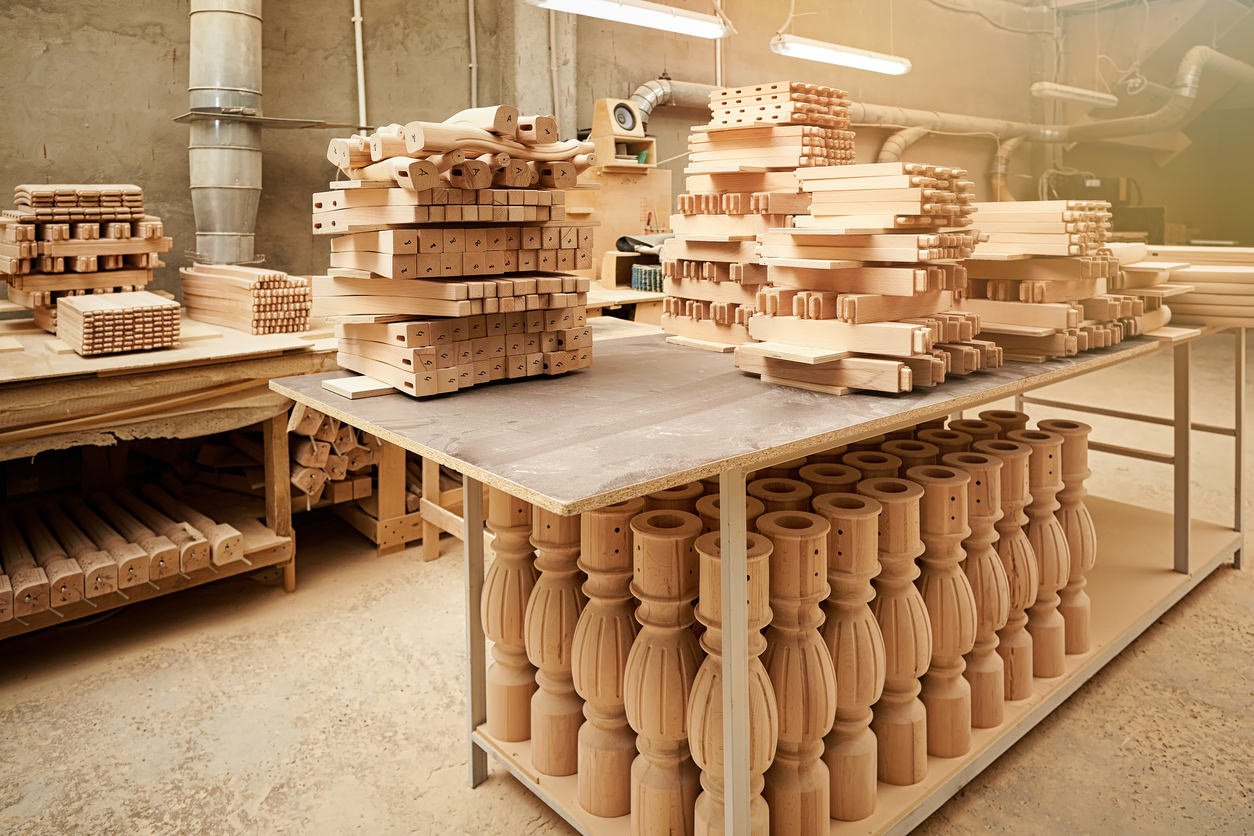
Wood has a rare combination of warmth, strength, and versatility. It can also be one of the most climate-smart materials available, when it comes from forests managed with care and moves through a supply chain that respects both ecosystems and people. The catch is that “wood” is not automatically “green.” The details of sourcing, processing, adhesives, finishes, and verification are what separate responsible products from feel-good marketing.
Sustainable wood products matter because they let you keep the beauty and performance of wood while supporting forests that stay forests, communities that benefit from them, and manufacturing choices that reduce pollution.
Why sustainability changes the story
When forests are well managed, wood can act as a long-term carbon store. Trees pull carbon dioxide from the air; turning those trees into durable products can keep that carbon locked up for years or decades. That benefit fades fast when forests are cleared irresponsibly, converted to other land uses, or harvested without safeguards for regeneration and wildlife.
There’s also a practical angle. Sustainability signals better risk management. Brands and builders that can document where wood came from, how it was harvested, and how it was processed tend to have tighter quality systems, fewer legal surprises, and fewer supply interruptions.
Choosing responsibly sourced wood also supports healthier landscapes: intact watersheds, reduced erosion, habitat continuity, and stronger resilience against pests and fire when management is thoughtful and science-based.
What “sustainable wood” really means
Sustainability is not one claim. It’s a set of linked questions that cover forests, factories, and distribution.
A helpful way to think about it is to separate three layers: the forest, the supply chain, and the chemistry used to turn wood into finished goods. A product can perform well in one layer and fall short in another, so it pays to look for signals across all three.
After considering those layers, many buyers focus on a few core indicators:
- Responsible forestry: legal harvest, regeneration, biodiversity protections
- Traceability: chain-of-custody documentation from forest to retailer
- Health-forward materials: lower-emission adhesives, finishes, and treatments
- Durability: longer life means fewer replacements and less waste
- End of life options: repairable, reusable, recyclable where possible
Certifications and labels that carry weight
Certifications are not perfect, yet they are still one of the clearest shortcuts available. They provide third-party standards, auditing, and a way to compare products across suppliers. The most useful certifications make two things visible: how the forest is managed and whether the certified material stayed separated or properly accounted for as it moved through the supply chain.
Here’s a quick guide to common labels you may see. Exact rules and rigor vary by region and product category, so treat this as a starting point and confirm details with the seller or manufacturer.
| Label / program | What it covers | What to look for on the product | Why it helps |
|---|---|---|---|
| FSC (Forest Stewardship Council) | Forest management and chain of custody | FSC 100%, FSC Mix, or FSC Recycled; license code | Strong global recognition; emphasizes social and environmental safeguards |
| PEFC (Programme for the Endorsement of Forest Certification) | Endorses national forest standards; chain of custody | PEFC certified claim and chain-of-custody reference | Broad international reach; common in many timber-exporting regions |
| SFI (Sustainable Forestry Initiative) | Forest management and fiber sourcing in North America | SFI certified sourcing or chain-of-custody statement | Widely used in the US and Canada; supports audited practices and training |
| Reclaimed / salvaged claims | Reused wood from old buildings or industrial sources | Clear description of origin and processing | Often avoids new harvesting and keeps material out of landfills |
| CARB Phase 2 / TSCA Title VI (formaldehyde rules) | Emissions limits for composite wood (plywood, MDF, particleboard) | Compliance statement for composite products | Targets indoor air quality risks from certain resins |
A key point: not every label you see is a certification. Some are marketing marks with no independent audit. When a claim matters, ask for documentation, not a slogan.
Chain of custody: the part many people miss
Forest certification is only half the picture. Chain of custody is the paper trail that follows wood from certified forests through mills, distributors, and manufacturers. Without it, a “certified forest” claim may not tell you much about the specific boards inside the product you’re buying.
You will often see a chain-of-custody claim on invoices, packaging, or product cut sheets. For higher assurance, the product should carry an on-product label tied to a license number that can be checked in the certifier’s public database.
When you’re sourcing larger quantities, ask a direct question: can the supplier provide chain-of-custody documentation for the exact product line and the volume you’re purchasing? Responsible sellers are used to this request.
Environmental impact beyond the forest
Even when wood is responsibly harvested, manufacturing choices can raise or lower environmental impact. Composite wood products, common in cabinets and furniture, can involve resins that affect indoor air quality. Treatments used for outdoor durability can also carry environmental tradeoffs.
Look at the full package: substrate, adhesive, finish, and expected lifespan. A solid hardwood table that lasts for decades can be a strong sustainability choice. A lower-cost piece made with higher-emission binders and short-lived hardware may cost less today and cost more over time, financially and environmentally.
One sentence that changes buying behavior: durability is a sustainability feature.
Ethical sourcing is part of sustainability
Forests are not empty places. Ethical sourcing includes respect for workers, local communities, and Indigenous rights. High-quality certification systems address parts of this, yet ethical sourcing can also show up in how a company talks about procurement, grievance processes, and supplier oversight.
If you are buying for a project, procurement language matters. Responsible vendors are usually willing to answer where the wood was sourced, whether it is legally harvested, and what standards suppliers are held to.
A practical mindset helps here: you’re not searching for perfection, you’re reducing the chance that your purchase is linked to illegal logging, land conflict, or unsafe labor.
Reclaimed and recycled wood: when it’s a great fit
Reclaimed wood can be a standout option, especially for flooring, beams, wall cladding, and statement furniture. It often brings unique grain and patina that new wood can’t replicate. It also reduces demand for new harvesting and keeps material in use longer.
Still, reclaimed does not mean automatically safe or low impact. Verify how it was processed, whether old coatings were removed responsibly, and whether pests were addressed. For interior uses, also ask about sealing and emissions, since reclaimed boards may be paired with new adhesives or finishes.
Common questions buyers ask (and clear answers)
People tend to circle the same concerns when they start paying attention to sustainability. The good news is that most of these questions have practical, evidence-based answers.
“Is wood always better than plastic or metal?”
Sometimes, yes. Often, it depends on durability, maintenance, and how the material is produced. Responsibly sourced wood usually performs well on climate impact because it can store carbon and takes less energy to process than many alternatives. Yet a long-lasting recycled metal product can also be a strong choice. The best comparison is the one that includes lifespan and the ability to repair.
“Does certified wood cost more?”
It can, though the price difference is often smaller than expected, especially at scale. Even when it costs more, you are paying for verified practices, auditing, and traceability. Many buyers treat it like insurance against reputational risk and supply chain uncertainty.
“What if the product is made from fast-growing species?”
Fast-growing species can be excellent, assuming they are grown and harvested responsibly. Plantation forestry can reduce pressure on old-growth forests when it is managed with ecological safeguards, soil care, and protection for nearby natural habitats.
“How do I avoid greenwashing?”
Greenwashing thrives on vague claims. Look for specific standards, third-party verification, and documents that match the product you are buying. If a seller can only say “eco-friendly wood” without naming a program, a standard, or a traceable origin, treat it as a weak claim.
“Should I worry about indoor air quality with wood products?”
For solid wood with low-VOC finishes, concerns are often modest. For composite products like MDF and particleboard, emissions rules and resin chemistry matter. Ask for compliance with formaldehyde limits and consider low-emission finishes and adhesives when possible, especially in bedrooms and nurseries.
A practical buying checklist that actually works
Once you start looking for sustainability, it’s easy to drown in labels, claims, and acronyms. A short, repeatable process keeps decisions clear.
Start by asking two questions: What is the product made of, and can the seller prove where the wood came from? Then refine from there:
- Ask for proof: certification name, chain-of-custody claim, and license number
- Confirm the claim type: 100% certified, mixed sources, or recycled content
- Check composites: CARB Phase 2 or TSCA Title VI compliance for panels
- Choose longevity: stable joinery, repairable parts, quality hardware
- Plan for maintenance: re-oil, recoat, or refinish instead of replace
Where sustainable wood shows up in everyday choices
Sustainability is not limited to structural lumber. It shows up across the items people touch daily. Flooring, cabinetry, furniture, shelving, doors, trim, decking, and even paper-based products all sit on the same foundation: how forests are managed and how transparently materials move through the supply chain.
If you’re renovating, a smart strategy is to prioritize certified or reclaimed wood in the largest-volume categories first, like framing lumber, plywood, subfloor, cabinets, and flooring. That approach captures the biggest impact early, then you can apply the same standards to finishing touches as budget allows.
For furniture and décor, look for makers who specify species and sourcing clearly, avoid mystery “hardwood” labels, and provide finish information. Clarity is a sign of maturity in sustainability practices.
The bigger payoff: forests that stay productive and alive
Responsible wood purchasing is a quiet kind of influence. It rewards forest managers who protect soil and water, manufacturers who invest in cleaner chemistry, and supply chains that can prove legality and ethics. Over time, those signals shape markets and normalize better practices.
If you want one simple north star, choose wood that is verified, durable, and healthy to live with. That combination supports forests you can feel good about and products you can rely on for years.