
Blog
How to Choose the Right Wood for Your Next Project: A Guide for Beginners

Choosing wood can feel like standing in front of a wall of beautiful options with no clear “best” answer. The good news is that beginners do not need a wood science degree to make smart picks. A few practical questions will narrow the field fast, and your results will look better, last longer, and feel more satisfying to build.
Wood products also show up everywhere in a home, from a cutting board to a staircase tread to a dining table. Learning how to select a species, a cut, and a grade is a skill that keeps paying you back, project after project.
Start with the job, not the species
Before you fall in love with a grain pattern, decide what the wood needs to do. A jewelry box and a kitchen floor can both be “wood,” yet they ask for very different performance.
Think through the environment first. Will the piece live indoors with stable humidity, or near a doorway, a bathroom, or a covered porch? Is it likely to get wet, get scuffed, or sit in direct sun? Those answers matter as much as color.
Then define what “success” means for the project. If you want a flawless painted finish, you can pick a budget-friendly wood that sands easily. If you want the wood to be the star, grain and color become the priority.
After you’ve framed the job, it helps to rate these factors in order of importance:
- Durability and wear resistance
- Appearance and grain character
- Ease of cutting, shaping, and sanding
- Movement with seasonal humidity
- Cost and local availability
- Sustainability and sourcing confidence
Hardness and density: what “tough” really means
Hardness is often the first spec people ask about, especially for flooring and furniture tops. In woodworking, hardness is commonly discussed with the Janka rating, which measures how much force it takes to press a steel ball into the wood. Higher numbers generally mean better dent resistance.
That said, hardness is not the same as strength. A hard wood can still split if it is brittle or if screws are driven without pilot holes. A softer wood can be plenty strong when the design supports it.
Use hardness as a guide for wear surfaces:
- Floors, tabletops, benches: medium to high Janka woods tend to stay looking sharp longer.
- Casework, shelves, frames: moderate hardness often works well, especially with good joinery.
- Crafts and carvings: softer woods can be a joy to shape and still last for years.
One more practical note: very hard woods can be harder on tools and more likely to burn during routing. If you are new to planing or routing, a “middle of the road” hardwood can feel more forgiving than an ultra-hard species.
Grain, color, and the look you are buying
Grain is more than decoration. It influences how wood cuts, how it accepts stain, and how it behaves over time.
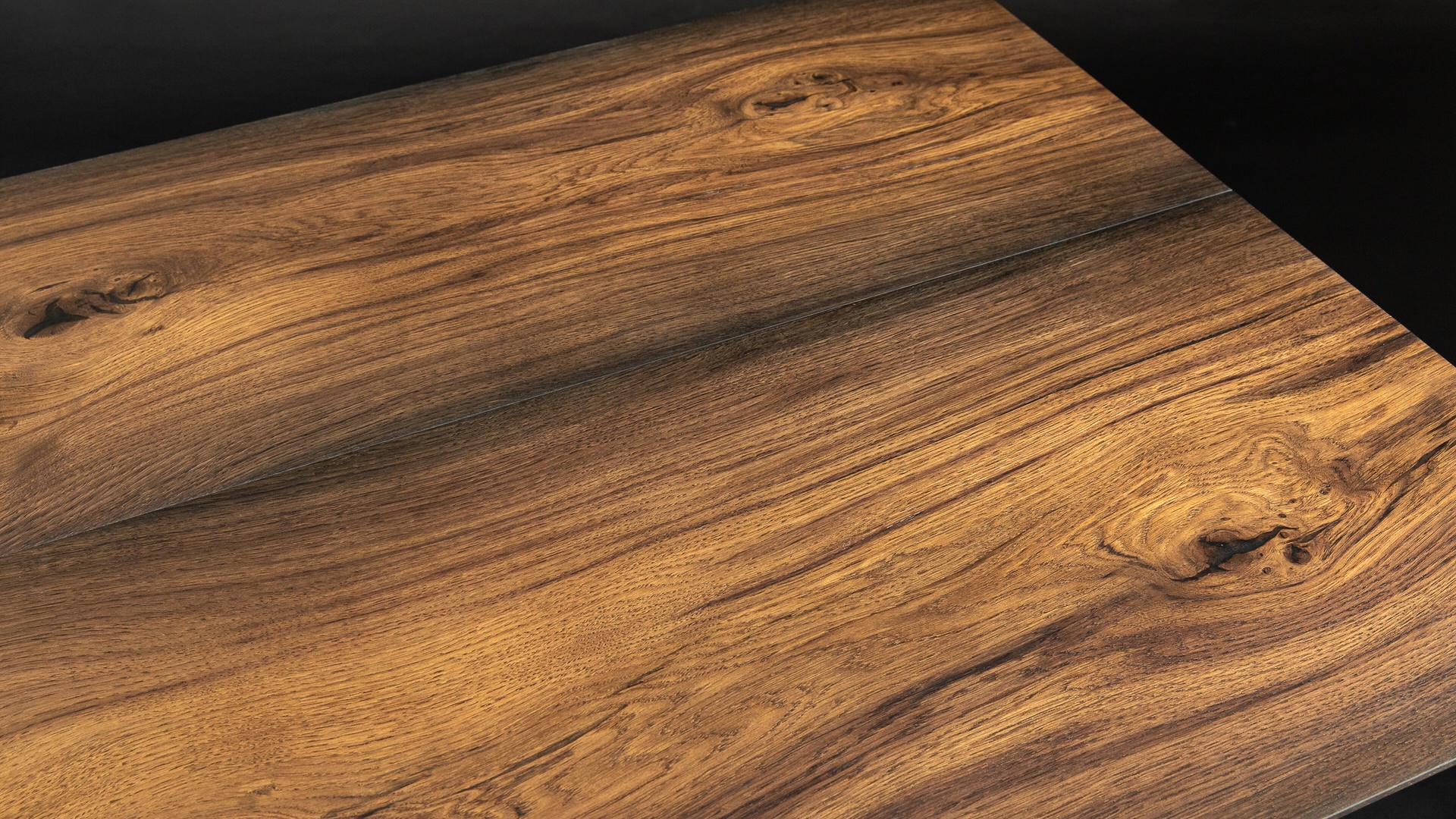
Open-grain woods like oak and ash have visible pores. They can look bold and classic, and they take textured finishes nicely. They also may need grain filler if you want a glass-smooth painted surface.
Closed-grain woods like maple and cherry look smoother and more uniform. They can be excellent for contemporary furniture, but some, like maple, can stain unevenly unless you prep carefully.
If you want consistent color, remember that many species change with light exposure. Cherry darkens and warms over time. Walnut can lighten slightly. Maple can amber under oil-based finishes.
A single sentence that saves money: choose your finish plan before you buy the wood.
Wood movement: the quiet force behind cracks and gaps
Wood expands and contracts across the grain as humidity rises and falls. This movement is normal and predictable, but it must be respected in furniture panels, tabletops, and flooring.
A common beginner mistake is “locking” a wide panel in place with glue and screws so it cannot move. The wood usually wins, and you get splits, warped panels, or joints that pop.
A few habits reduce trouble:
- Let boards acclimate to the space before milling and building.
- Pay attention to grain direction and panel width.
- Use joinery that allows movement, like figure-eight fasteners for tabletops or floating panels in frame-and-panel doors.
Moisture content matters too. Lumber sold for interior projects is typically dried to a range suitable for conditioned spaces. If you bring wood home from an unheated warehouse in winter, give it time to settle.
Solid wood vs engineered wood products
Many successful projects mix solid lumber with engineered sheet goods. Plywood, MDF, and particleboard are wood products designed for stability, flatness, and efficient use of fiber.
Plywood offers strong, stable panels for cabinets, shelving, and furniture carcasses. Look for more plies, thicker face veneers, and reputable core construction when your project needs crisp edges and long spans.
MDF is flat and paint-friendly, with no grain telegraphing through a smooth finish. It is heavy, creates fine dust, and does not like water, so it shines in interior painted parts, built-ins, and templates.
If your project needs a high-end wood look without solid-wood movement, consider veneered plywood with solid wood edging. You get attractive faces with better dimensional stability.
Sustainability and responsible sourcing without guesswork
Sustainability can feel complicated because forests, laws, and supply chains vary. You can still make confident choices by focusing on a few signals and asking basic questions at the lumberyard.
Start with what is abundant in your region. Domestic species that are widely managed tend to be easier to source responsibly and often cost less due to shorter transport.
When you are considering tropical hardwoods for outdoor furniture or water resistance, pause and verify sourcing. Many are excellent performers, yet the supply chain can be uneven.
A few shopping cues help:
- Look for certification: FSC or PEFC labels are common markers of audited forestry.
- Ask about origin: domestic, imported, and the specific country matter.
- Consider reclaimed options: salvaged beams and urban lumber can be striking and resource-smart.
- Use durable species wisely: reserve premium woods for visible parts, pair with stable cores when appropriate.
Cost: paying for stability, appearance, or convenience
Price is not only about the species. It is also about how the lumber is processed, graded, and sold.
Here are the common cost drivers:
- Clear, wide, long boards cost more because they are rarer.
- Quarter- and rift-sawn boards often cost more due to yield and demand.
- S4S lumber (surfaced on four sides) costs more than rough-sawn but saves time and tools.
- Premium plywood grades and thicker veneers cost more, yet they look better and sand safer.
If you are new, paying a bit more for flatter, straighter stock can prevent hours of frustration. Twisted boards can be milled flat, but you may lose thickness and end up short on material.
Quick reference: common woods and where they shine
The table below is not a rulebook. It is a practical starting map for furniture, flooring, and crafts.
| Wood / Product | Janka (approx.) | Grain and look | Workability | Typical cost | Good fits |
|---|---|---|---|---|---|
| Pine (softwood) | 380 to 870 | Light color, visible knots common | Very easy, dents easily | Low | Painted furniture, prototypes, casual shelves |
| Poplar | 540 | Greenish to cream, subtle grain | Easy, paints well | Low to medium | Painted cabinets, drawers, jigs |
| Red Oak | 1290 | Open grain, strong “cathedral” patterns | Friendly, stains well | Medium | Flooring, tables, traditional furniture |
| White Oak | 1360 | Similar to red oak, often more refined | Good, can be splintery | Medium to high | Flooring, durable furniture, entry benches |
| Hard Maple | 1450 | Tight grain, light and clean | Can burn when routed | Medium to high | Tabletops, workbenches, modern pieces |
| Cherry | 950 | Smooth grain, richening color over time | Excellent | Medium to high | Furniture, boxes, built-ins |
| Black Walnut | 1010 | Dark, dramatic color | Excellent | High | Feature furniture, accents, heirloom pieces |
| Western Red Cedar | 350 | Aromatic, soft, weather-tolerant | Easy, dents | Medium | Outdoor projects, planters, light furniture |
| Baltic birch plywood | N/A | Clean faces, stable plies | Great for joinery | Medium | Cabinets, drawers, shop fixtures |
| MDF | N/A | No grain, very smooth | Easy to machine, dusty | Low to medium | Painted doors, trim profiles, templates |
Matching wood to three common project types
Furniture, flooring, and crafts each reward a slightly different approach. The best choice is often the one that fits your tools, timeline, and finishing plan.
Furniture benefits from a balance of workability, stability, and appearance. Cherry, walnut, and oak are popular because they machine predictably and finish beautifully. For painted furniture, poplar and MDF can produce clean lines with less cost tied up in appearance-grade lumber.
Flooring demands wear resistance and consistent milling. Oak and maple have earned their reputation here, while softer woods can show dents quickly in busy homes. If you want a quieter grain pattern, consider maple; if you want texture and classic character, oak is hard to beat.
Crafts reward ease and consistency. Small boxes, frames, and decor items often look best with straight grain and predictable sanding. Cherry and maple are favorites, and high-quality plywood can be a smart base when you want perfectly flat panels.
A simple boardyard strategy that keeps beginners confident
When you are standing at the stack, focus on straightness and moisture before you focus on figure. Sight down the board length for bow and twist. Check the ends for cracks. Look for consistent grain if you need parts to match.
Also consider how you will break the board down. A stunning 10-foot board is less useful if you need short, defect-free segments and half the length is knotty or checked.
Bring a tape measure, pencil, and a rough cut list. Leave room for mistakes. If your plan needs four rails at 1.5 inches wide, buy enough width and length to rip clean strips and still have extra for grain matching.
A quick build-ready checklist can keep the decision clear:
- Decide indoor vs outdoor and how wet or sunny the piece will be.
- Pick a finish plan (paint, stain, clear coat) before choosing the species.
- Choose hardness based on the wear surface, not on bragging rights.
- Buy the straightest boards you can, even if they cost a bit more.
- Favor stable sheet goods for large panels, use solid wood where it counts visually.
- Ask one sourcing question if the wood is exotic or unusually cheap.
If you want, tell me what you’re building (dimensions, indoor or outdoor, painted or clear finish, and your tool setup), and I can recommend a short list of woods that fit your constraints and budget.